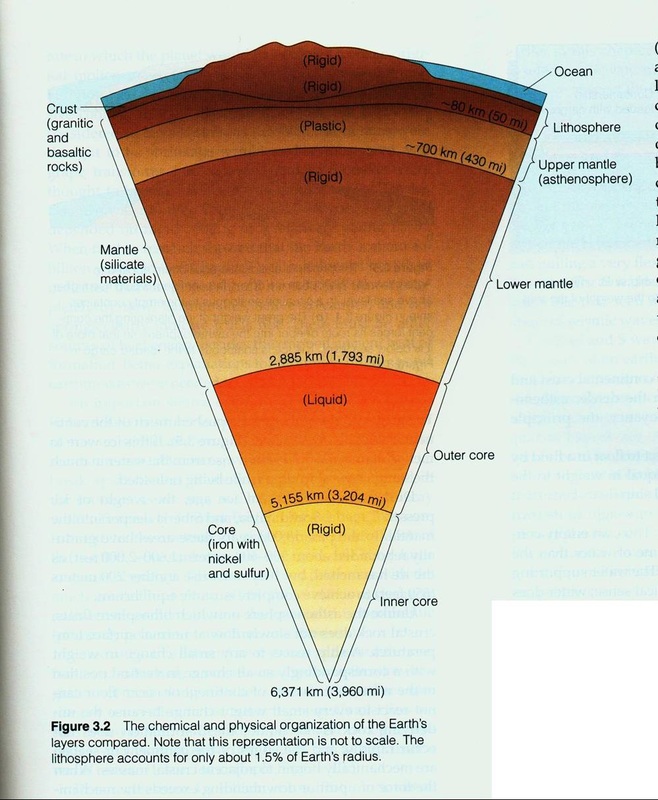
THE EARTH'S STRUCTURE: THE GEOSPHERE
Minerals and rocks presentation.

| the_geosphere.pptx |
The importance of minerals:
- Metal ores: Bauxite (alumninium), Cinnabar (mercury), etc
-Raw materials for industry: uraninite, quartz, gypsum.
-Gems: diamonds, ruby, sapphire, emerald,...
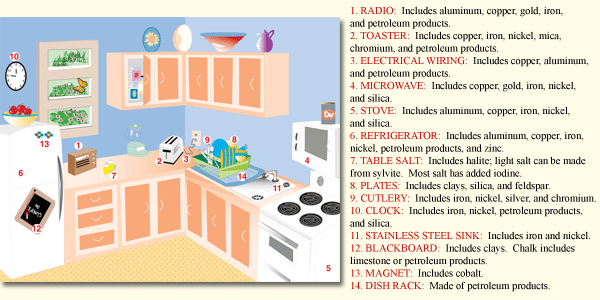
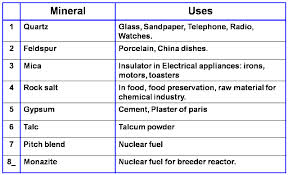
Types of minerals: Metallic: Iron, copper, Aluminium, lead, mercury, zinc,
Silicates: feldespar, quartz, mica, talc, kaolinite
Non-silicates: Calcite, gypsum, halite, fluorite
Minerals photogalery
Do you know what a conflict mineral is? Or the coltan? Find information here:
| conflict_minerals.pptx |
| coltan3.pps |
Types of rocks: Plutonic or intrusive igneous:Granite, syenite, gabbro
Volcanic or extrusive igneous: Basalt, Pumice, Obsidian
Sedimentary: Conglomerate and breccia; Sandstone, Clay, Limestones.
Metamorphic: Slate, Schist, Gneiss
Rocks photogalery
Interactive rock cycle activity: Press the button to play.
The use of rocks:
-Building materials: cement (limestone and clay), concrete (cement, water, sand and gravel), glass (sand),
-Ornamental rocks: marble, granite, slate and basalt
-Source of fossil fuels: coal and oil
-Source of minerals for technological use: silicon from rocks rich in quartz, aluminium from bauxite.
Extraction of minerals and rocks:
Mineral of interest: ore; the other rocks are called gangue.
-Superficial extraction: marble, gravel, etc
-Subterranean extractions: coal
Minerals and rocks laboratory:
You will owrk in groups to observe the minerals and rocks in order to identify them. You will fill a table in and you will use the table during the exam. Find here the table and the roles of the group members.

| tabla_lab_minerales_y_rocas_para_lab.docx |
| roles_in_a_team_esp_e_ing.docx |
